Breast dissatisfaction significantly impacts psychological well-being, affecting self-esteem and overall life satisfaction. For women seeking enhancement without an artificial appearance, teardrop shaped breast implants offer a solution that prioritizes natural contours. These anatomically shaped devices distribute volume primarily in the lower breast area, making them particularly suitable for patients with minimal existing tissue who desire subtle, proportionate results.
Originally developed for breast reconstruction patients, teardrop implants received FDA approval in 2012 and have since become a valuable option for cosmetic augmentation. Their design features fuller lower portions and tapered upper regions that closely mimic natural breast anatomy, utilizing advanced cohesive silicone gel technology and textured surfaces engineered to prevent rotation and maintain proper positioning.
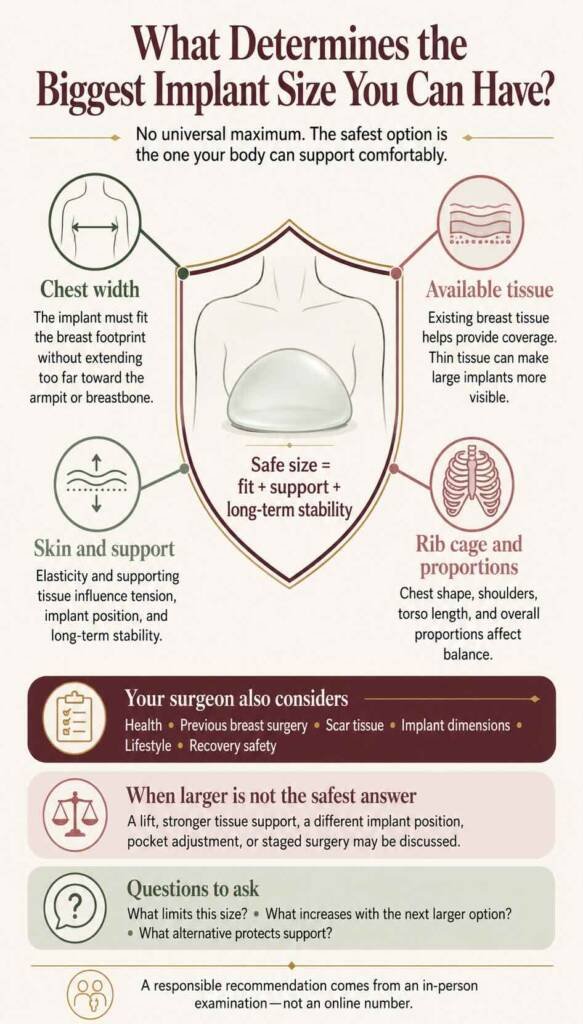
Selecting the right implant requires careful evaluation of your unique anatomy, aesthetic goals, and lifestyle. Chest structure, existing breast volume, nipple positioning, and tissue laxity all influence which design delivers optimal outcomes. What works beautifully for one patient may not suit another, making consultation with an experienced board-certified plastic surgeon essential.
At Dr. K Miami Plastic Surgery, Dr. Bart Kachniarz combines Harvard and Johns Hopkins training with an artistic approach to help patients achieve results tailored to their individual goals.
What Are Teardrop Breast Implants?
Tear drop implants implants are designed to create a natural shape to the breast with more volume at bottom and taper toward the top. They utilize cohesive silicone gel filling with a thicker consistency than the softer gel found in round implants. This firmer composition maintains the teardrop configuration over time while contributing to superior shape retention. While the increased firmness means these implants may initially feel slightly less natural to touch compared to softer alternatives, most patients adapt as healing progresses and tissue settles around the implant.
Most teardrop implants feature textured surfaces—a critical design element. The textured shell allows tissue integration that stabilizes implant position and prevents rotation within the breast pocket. Since rotation of an asymmetrical implant would create visible distortion, this texturing serves an essential function.
The structured design also minimizes visible rippling or wrinkling, particularly beneficial for patients with thinner breast tissue coverage. The implant shell consists of medical-grade silicone elastomer available in different firmness levels. Manufacturers offer various projection heights and base widths to accommodate different body types and aesthetic preferences, enabling surgeons to create highly personalized results.
Profile Options
Implant profile describes how far an implant extends from the chest wall. Teardrop implants come in three profile types.
- Low profile features a wider base with minimal forward projection, creating subtle enhancement that spreads naturally across the chest wall—ideal for patients seeking modest changes with broader natural chest dimensions.
- Moderate profile offers balanced dimensions suitable for most patients, providing proportional projection that complements average chest widths.
- High profile provides maximum projection from a narrower base, ideal for patients with narrow chest dimensions seeking noticeable forward fullness without excessive width. Your chest width and desired outcome determine which profile creates optimal proportions for your frame.
Physical Characteristics and Considerations
When lying flat, natural breasts spread evenly across the chest. Teardrop implants maintain their shaped profile even in reclined positions, which may initially create a slightly different appearance than natural breast tissue. This characteristic becomes less noticeable as surrounding tissue integrates with the implant over time.
Patients must be at least 22 years old to receive silicone-filled teardrop implants per FDA guidelines. Beyond aesthetic improvements, appropriately sized implants that match your body proportions may reduce strain on shoulders and back, contributing to improved physical comfort alongside enhanced confidence.

Teardrop and Round Implants: Understanding Your Breast Implant Options
Each implant shape offers distinct visual outcomes and addresses different anatomical needs. Understanding these differences helps determine which option aligns with your aesthetic goals.
Breast Implant Shape and Aesthetic Outcomes
Round breast implants maintain uniform fullness throughout their entire surface, providing equal projection from top to bottom. This creates enhanced upper pole volume—the area above the nipple—and delivers consistent fullness across all body positions. Round implants also create more pronounced cleavage definition, which many patients seeking noticeable breast enhancement prioritize.
Teardrop implants feature asymmetrical construction with a tapered upper portion that creates a gradual slope, producing results that more closely resemble natural breast contours with less pronounced cleavage.
| Aspect | Round Implants | Teardrop Implants |
| Upper pole fullness | Enhanced | Natural slope |
| Lower pole projection | Moderate | Pronounced |
| Overall appearance | Fuller, rounder | Natural teardrop shape |
| Cleavage effect | More pronounced | Subtle |
| Rotation risk | None (symmetrical) | Possible (requires correction) |
| Surface texture | Smooth or textured | Typically textured |
| Feel and movement | Softer, more mobile | Firmer, more stable |
Advantages of Round Implants
Round implants offer several practical benefits. Their symmetrical design means they cannot rotate improperly—they maintain consistent appearance regardless of position. They typically feel softer and move more naturally with body position changes, with smooth-surfaced versions moving within the breast pocket similarly to natural tissue during physical activity.
Round implants provide more upper pole fullness, addressing hollow areas above the nipple. They also typically involve lower material and procedural expenses compared to anatomical alternatives. Recent innovations in round implant technology, including specialized gel formulations, offer enhanced shape retention that may provide natural-looking results comparable to anatomical designs for appropriately selected candidates.
However, round implants carry a risk of “bottoming out,” where the implant shifts downward below the natural breast crease, potentially requiring revision surgery. They also do not lift sagging nipples or correct mild ptosis (breast sagging) as effectively as teardrop options.
Benefits of Teardrop Implants and Their Disadvantages
Teardrop implants excel at creating natural-looking results, particularly for patients with minimal existing breast tissue. They can provide mild lifting effects for patients with slight breast sagging, potentially eliminating the need for additional lift procedures. Women seeking modest enhancement find these implants particularly appealing, as the natural contour enhances volume without creating an obviously artificial appearance.
The primary drawback involves rotation risk. Clinical data suggests rotation occurs in approximately 2–11% of teardrop implant cases, with proper surgical technique and pocket creation showing rates as low as 1.88% in some studies. If an implant shifts within the breast pocket, the asymmetrical shape becomes visibly distorted, often requiring surgical correction that is more complex than initial placement.
The specialized construction and surgical expertise required typically result in higher procedure costs compared to traditional round implants.
Patient Suitability Factors
Patients with naturally firm breast tissue and well-proportioned natural breast shape with adequate lower pole fullness often achieve excellent outcomes with round implants. Adding teardrop-shaped volume to an already naturally tapered breast can create excessive lower heaviness, producing an unbalanced contour rather than enhancement.
Conversely, those with limited native volume, narrow chest walls, particularly thin frames, or wide-set breasts may find anatomical shapes more proportionate. Patients with low-positioned nipples or minimal distance between the breast fold and areola may find anatomical implants particularly beneficial for achieving balanced proportions. Women with mild breast asymmetry can use teardrop implants to achieve better balance between breasts.
Types of Teardrop Implants: Materials and Surfaces
Teardrop implants are available in different materials and surface textures, each offering distinct characteristics.
Silicone Gel Implants
Silicone implants represent the most commonly chosen option for teardrop augmentation. The cohesive silicone gel provides a natural feel that closely mimics breast tissue texture and maintains the anatomical shape consistently over time. The gel remains contained within the shell, reducing concerns about spillage if rupture occurs.
Key advantages include:
- Natural feel and movement
- Superior shape retention properties
- Lower risk of visible rippling
- Consistent fullness distribution
However, silicone teardrop implants require regular MRI or ultrasound monitoring to detect potential silent ruptures. FDA recommends first MRI or ultrasound screening at 5–6 years post-surgery, then every 2–3 years thereafter for silent rupture detection in silicone implants.
These implants may also require marginally larger incisions than some round alternatives, and recovery time may be slightly longer compared to saline options.
Saline Implants
Saline implants contain sterile saltwater solution and offer certain procedural advantages. These implants are inserted empty and filled during the breast augmentation procedure through a smaller incision, allowing precise volume adjustments—particularly valuable when addressing breast asymmetry issues.
Saline teardrop implants may feel firmer than silicone alternatives, with slightly different weight distribution that can affect the natural drape of breast tissue. However, they require no MRI screening, ruptures are immediately apparent, and saline absorption is harmless to the body. The fill valve mechanism requires careful positioning to maintain teardrop shape integrity, as underfilling or overfilling can compromise the intended anatomical contour.
Surface Texture: A Critical Design Element
Most teardrop implants utilize textured surfaces due to their asymmetrical design. The texture prevents implant rotation that would otherwise distort the shape, making smooth surfaces impractical for anatomical designs despite their softer feel and more natural movement characteristics.
Textured implants feature a rough outer surface designed to reduce rotation risk through tissue adherence. Smooth implants have a slippery outer shell that allows natural movement within the breast pocket but present significantly higher rotation risks with teardrop shapes.
| Surface Type | Rotation Risk | Capsular Contracture | Movement |
| Textured | Lower | Potentially higher initially | Minimal |
| Smooth | Higher | Lower initially | Natural |
While textured surfaces initially demonstrate lower capsular contracture rates, long-term studies indicate this advantage may diminish over extended periods, with rates eventually approaching those of smooth implants after many years.
Benefits of Tear Drop Shape Implants
Teardrop implants provide a natural shape that closely mimics authentic breast tissue contours while offering superior suitability across various body types.
Natural Appearance That Enhances Confidence
The anatomical design replicates a realistic breast shape through fuller volume at the bottom and gradual tapering toward the top. This configuration closely resembles how natural breast tissue distributes, providing subtle projection in the lower breast area while maintaining a gentle curve at the upper portion. Concerns about sagging appearance are unwarranted with properly placed teardrop implants—the design actually creates a youthful, lifted contour through strategic lower-pole fullness combined with gentle upper tapering.
The silicone gel composition mimics the texture and movement of natural breast tissue during daily activities, while the textured surface prevents rotation within the breast pocket for consistent results.
Optimal Body Type Matches
Teardrop augmentation works exceptionally well for women with smaller natural breast volumes. The anatomical shape provides proportional enhancement that complements existing chest dimensions without appearing disproportionate.
Athletic body types benefit significantly from this implant style. Women with athletic builds or naturally slender frames often find teardrop implants create more harmonious results than round alternatives. Patients with narrow chest walls or particularly thin frames achieve more proportional results with teardrop shapes, as overly round profiles may appear too prominent on smaller body structures.
Chest width determines optimal profile selection. Patients with narrower chest dimensions typically achieve better proportions with higher-profile teardrop implants that provide projection without excessive width, while those with broader chest walls may find low-profile options create more balanced results.
Post-pregnancy patients often choose these implants for restoration. Women who have experienced pregnancy, breastfeeding, or significant weight fluctuations particularly benefit from teardrop implants’ ability to restore lost volume while maintaining proportional, natural-looking results that effectively address the specific volume loss patterns common after these life changes.
Enhanced Side Profile and Long-Term Performance
Teardrop implants enhance the breast’s lateral appearance, creating attractive side contours visible in profile views. The concentrated lower fullness produces flattering results in clothing styles that reveal the breast’s side silhouette, making them particularly appealing for patients who value proportional enhancement from multiple angles.
Anatomical implants maintain their shape over many years. The cohesive silicone gel retains its form even if the implant shell develops small tears, while the textured surface promotes tissue adherence that stabilizes position and reduces the likelihood of migration or rotation over time. Advanced silicone formulations resist deformation under normal physical stresses.
While modern teardrop implants demonstrate excellent durability, they are not lifetime devices. Many patients maintain satisfactory results for 15–20 years or longer with proper care and regular monitoring, though eventual replacement may become necessary as part of long-term maintenance.
The Plastic Surgery Process: From Breast Augmentation Consultation to Placement
The surgical process involves detailed pre-operative planning and precise implant placement techniques tailored to your anatomy.
Comprehensive Consultation with an Experienced Plastic Surgeon
A board-certified plastic surgeon conducts a thorough evaluation during the initial consultation, examining existing breast tissue volume, skin elasticity, and chest wall anatomy to determine candidacy for teardrop implants. Medical history review includes previous surgeries, medications, any breast-related concerns, and general health status to ensure you’re physically prepared for the procedure and recovery.
Measurements and photographs document current breast size and shape. The surgeon uses these assessments to recommend appropriate implant size, dimensions, and placement techniques. Reviewing before-and-after photographs of patients with similar body proportions—specifically featuring teardrop augmentation cases—helps visualize potential outcomes and provides valuable insight into the surgeon’s aesthetic approach and technical capabilities with anatomical implants.
Pre-surgical preparation includes:
- Laboratory tests and medical clearance
- Smoking cessation requirements
- Medication adjustments
- Recovery planning discussions
- Arrangement of adequate recovery time from professional responsibilities
- Coordination of assistance for household tasks and personal care
- Advance meal preparation or delivery service arrangements
- Childcare and pet care coordination if applicable
Incision Options
The surgeon explains incision approaches, typically inframammary, periareolar, or transaxillary.
Inframammary approach positions the incision within the natural breast crease, offering excellent access for precise implant placement with good visualization.
Periareolar incisions circle the areola edge, potentially providing more discreet scarring but requiring careful technique.
Transaxillary incisions placed in the underarm area leave the breast itself free from visible scarring. Your surgeon recommends the optimal approach based on your anatomy and implant specifications, as each technique offers different advantages for teardrop implant placement and healing outcomes.
Surgical Procedure and Placement
Breast augmentation surgery with teardrop implants requires general anesthesia and typically takes 1–2 hours to complete. The plastic surgeon creates precise pocket dimensions to accommodate the anatomical shape. Surgeons position teardrop implants either submuscular (under the pectoralis muscle) or subglandular (above the muscle but under breast tissue).
Submuscular placement often provides more natural results with better implant coverage. Critical positioning requirements ensure proper orientation:
- Base width alignment with chest dimensions
- Proper nipple-to-implant positioning
- Symmetrical placement between both breasts
The textured surface promotes tissue adherence to prevent rotation. Patients receive IV antibiotics during surgery and oral antibiotics post-operatively to prevent infection. Surgeons verify correct positioning before closing incisions with layered sutures.
Combining with Breast Lift Surgery
Many patients benefit from combining augmentation with breast lift surgery (mastopexy-augmentation) for comprehensive results when moderate breast sagging (ptosis) exists alongside volume loss. This approach addresses both tissue positioning and volume restoration simultaneously. The plastic surgeon removes excess skin, repositions the nipple-areolar complex, and places implants during a single procedure.
This combination surgery involves:
- Extended operative time (3–4 hours)
- Increased recovery requirements
- Higher complexity demanding experienced surgeons
- Enhanced overall aesthetic outcomes
The plastic surgeon may recommend staged procedures for patients with significant ptosis, allowing proper healing between breast lift surgery and implant placement to reduce complication risks while optimizing final results.
Risks, Complications, and Candidacy
Understanding potential complications and determining suitability ensures informed decision-making about teardrop implants.
Implant Rotation: The Primary Unique Risk
Implant rotation represents the most significant risk unique to teardrop implants. The anatomical shape requires precise positioning during surgery—if rotation occurs, the breast appears distorted with the fuller portion positioned incorrectly. Surgical correction becomes necessary when significant rotation occurs, and this revision surgery is more complex than initial placement with extended recovery time.
Placement precision requires surgeons with specialized experience in anatomical implants. The surgical technique differs from round implant procedures, demanding greater attention to pocket creation and implant orientation. Patients should verify their surgeon’s specific training and success rates with anatomical breast implants before proceeding.
Additional Complications
Capsular contracture occurs when scar tissue forms around breast implants, causing firmness and potential distortion. Teardrop implants may have slightly higher rates of this complication compared to smooth implants, though long-term data shows rates eventually approach those of smooth implants.
Visible rippling appears more frequently in patients with thin breast tissue. The firmer shell of teardrop implants can create noticeable rippling effects, particularly in the upper breast area. Rupture detection proves more challenging with teardrop implants, as the anatomical shape may mask early signs of implant failure that would be more obvious with round implants.
Revision surgery rates tend to be higher due to rotation risks and potential aesthetic concerns. Patients should consider the likelihood of future surgical interventions when choosing teardrop implants.
Determining Candidacy
Breast tissue thickness plays a crucial role in candidacy determination. Patients with adequate natural breast tissue typically achieve better results and fewer visible complications.
Lifestyle factors influence implant type selection decisions. Active patients engaging in contact sports or vigorous activities may face higher rotation risks with anatomical implants, though many patients maintaining highly active lifestyles prefer teardrop shapes for their natural movement patterns—the rotation risk requires careful consideration against the benefits of anatomical design.
Aesthetic goals must align with teardrop implant characteristics. Patients seeking dramatic upper breast fullness may find anatomical implants insufficient for their desired outcome. Women with smaller to medium breast volumes seeking balanced enhancement typically achieve optimal results with teardrop designs.
Those presenting with substantial breast ptosis may require lift procedures alongside implantation for comprehensive correction. Previous breast surgery history affects candidacy assessments. Existing scar tissue or altered breast anatomy may complicate teardrop implant placement and increase complication risks.
Recovery and Long-Term Care
Recovery from teardrop implant surgery requires careful attention to immediate protocols and ongoing maintenance practices.
Immediate Post-Surgical Period
Patients must follow strict movement restrictions during the first two weeks following surgery. Upper body movements, including reaching forward and overhead, should be severely limited to prevent implant displacement. Compression garments must be worn continuously to reduce swelling and support proper implant positioning.
Pain management involves prescribed medications and careful monitoring for complications. Sleep positioning requires patients to remain upright or semi-reclined for the first week to reduce pressure on breast tissue and minimize swelling.
Home Preparation for Optimal Recovery
Preparing your home environment before surgery significantly impacts recovery comfort. Arrange for assistance with daily tasks during the first week, as arm movement will be restricted. Stock easily accessible meals and consider stool softeners, since pain medications commonly cause constipation.
Set up a recovery area with pillows for elevated sleeping and keep essential items within easy reach to reduce post-operative strain.
Recovery Timeline and Activity Resumption
Most patients transition to light activities gradually after the first week, though full recovery unfolds over several weeks. During the initial recovery period, expect manageable discomfort controlled through prescribed medications. Most patients return to light activities within 1–2 weeks.
Heavy lifting and strenuous exercise must be avoided for 4–6 weeks to ensure proper healing. Your surgeon will provide specific guidelines for progressively resuming normal activities based on your individual healing progress.
The “Drop and Fluff” Process
The “drop and fluff” process occurs gradually over several months as breast tissue settles around the teardrop implants. Final results typically become apparent 3–6 months post-surgery. Several factors influence settling speed:
- Larger implants typically descend faster due to gravitational weight
- Textured surfaces may slow the process through tissue friction
- Submuscular placement generally requires additional settling time compared to subglandular positioning
Long-Term Maintenance Requirements
Implant rotation monitoring becomes essential due to the textured surface of teardrop implants. Patients must attend regular follow-up appointments to ensure proper positioning is maintained. Scar care involves specialized treatments and products to minimize visible scarring, with massage techniques and topical treatments helping optimize healing of incision sites.
Long-term maintenance includes routine mammograms and periodic implant assessments. Patients should schedule regular check-ups to monitor implant integrity and breast tissue health. Lifestyle modifications may be necessary to protect the implants long-term—certain physical activities and contact sports may require protective gear or complete avoidance.
Dr. K remains personally involved throughout your recovery, from initial consultation to final follow-up appointments.
Teardrop Implants in Reconstructive Surgery
Reconstructive breast surgery using teardrop breast implants helps restore the natural slope and projection that mastectomy removes, offering significant psychological benefits for women recovering from breast cancer treatment.
Reconstruction Approaches and Benefits
Immediate reconstruction occurs during the same surgery as mastectomy, while delayed reconstruction takes place months or years after cancer treatment. Teardrop implants work effectively in both approaches. The fuller bottom portion of anatomical implants recreates the natural ptosis that healthy breasts display, providing better aesthetic outcomes than round implants in many reconstruction cases.
Patients who have undergone unilateral mastectomy benefit from the customizable nature of teardrop implants. Surgeons can select specific dimensions to match the remaining natural breast more precisely—crucial for achieving symmetrical outcomes when only one breast requires reconstruction. The textured surface reduces rotation risk, which is particularly important in reconstruction where precise positioning matters most.
Key benefits include:
- More natural breast slope
- Better projection control
- Improved symmetry with the remaining breast
- Enhanced clothing fit
The natural contour helps patients regain confidence in their body image after cancer treatment.
Special Considerations for Reconstruction
Reconstructive cases often involve compromised skin quality and reduced tissue coverage. Anatomical implants may require submuscular placement to provide adequate coverage and natural appearance. Timing considerations affect implant selection in reconstruction—patients receiving radiation therapy may experience complications that influence long-term implant outcomes.
Important factors include:
- Radiation effects on implant longevity
- The potential need for revision surgeries
- Extended recovery timelines compared to cosmetic augmentation
- Insurance coverage variations
The healing process in reconstructive breast surgery typically takes longer than cosmetic augmentation, and patients must understand that achieving final results may require multiple procedures over several months.
Investment in Your Confidence: Cost Considerations
Teardrop implant procedures typically range from $6,000 to $12,000, with costs varying based on surgeon expertise, geographic location, and any supplementary procedures required. This investment generally encompasses implant materials, surgical fees, anesthesia services, and facility charges. The anatomical design and specialized silicone technology often result in higher pricing compared to traditional round alternatives, reflecting both the advanced materials and the specialized expertise required for optimal placement.
Get Breast Implants: Begin Your Transformation with Expert Care
Schedule your free consultation with Dr. Bart Kachniarz at Dr. K Miami Plastic Surgery. As a Harvard and Johns Hopkins-trained surgeon with multiple clinical excellence awards, Dr. K specializes in creating natural-looking breast augmentations tailored to your unique anatomy and aesthetic goals.
source https://drkmiamiplasticsurgery.com/teardrop-implants-for-breast-augmentation-guide

No comments:
Post a Comment