The lower belly pooch frustrates people across all fitness levels. Despite regular exercise and healthy eating, this area often remains resistant to change. Reducing abdominal fat improves cardiovascular function and sleep quality, while weakened core muscles create physical discomfort during exercise, strain the lower back and neck, and affect overall posture.
The solution requires a comprehensive approach combining proper core activation, breathing mechanics, targeted strength training, nutrition adjustments, and lifestyle modifications rather than endless abdominal exercises. The visible bulge often results from deeper structural issues—diastasis recti, poor posture, or improper engagement of the transverse abdominis muscle—that standard crunches cannot address.
This article explores evidence-based strategies for reducing lower belly pooch through functional exercise techniques, proper breathing patterns, nutritional guidance, and attention to hormonal considerations. You’ll discover practical methods to strengthen deep core muscles, address underlying causes, and develop sustainable habits for long-term results.
What Causes Lower Belly Pooch?
Lower belly pooch refers to the visible bulge appearing below the navel and above the pubic bone. This area contains subcutaneous fat directly under the skin and sometimes visceral fat mass surrounding internal organs. The appearance presents as a rounded or protruding lower abdomen that feels soft to touch and does not firm up when tensing the core.
The Health Risks You Need to Know
Lower belly fat carries specific health consequences beyond appearance. Individuals with waist measurements exceeding healthy thresholds face elevated risks for high blood pressure, abnormal blood lipids, sleep apnea, heart disease, elevated blood sugar and diabetes, certain cancers, stroke, fatty liver disease, and increased mortality. The magnitude of risk correlates directly with waist circumference—greater measurements indicate higher health risks.
Women should maintain their waistline below 35 inches, while men should stay under 40 inches to minimize cardiovascular and metabolic disease risks. To measure correctly: Stand with a tape measure positioned around your bare midsection just above the hipbone. Pull the tape snug without compressing the skin, ensuring it remains level throughout.
Relax completely, exhale naturally, and take your measurement without pulling your stomach inward.
Why This Fat Resists Change
Lower belly fat proves stubborn due to biological and hormonal factors. Fat cells in the lower abdomen contain more alpha-receptors than beta-receptors, which slows the breakdown of stored fat compared to other body areas. The body releases fat in a genetically predetermined pattern that cannot be altered through targeted exercise.
Most people lose fat from the extremities first, with the lower abdomen often being the last area to change. Hormonal changes significantly affect abdominal fat storage. Declining estrogen during menopause, insulin resistance, elevated cortisol from chronic stress, and reduced growth hormone with age all favor central fat accumulation.
The hormonal shifts during perimenopause and menopause prove particularly resistant to conventional weight loss approaches, causing the body to preferentially store fat in the abdominal region despite maintaining healthy habits. Age contributes significantly through muscle tissue loss. Adults naturally lose muscle mass as they age, particularly when physically inactive.
This muscle loss slows the body’s calorie-burning capacity, making weight maintenance increasingly challenging and favoring fat accumulation in the abdominal region.
Beyond Fat: Structural Contributors
Several factors contribute to the appearance beyond fat alone:
Core Muscle Weakness: The transverse abdominis acts like a natural corset around the midsection. When these deep muscles lack strength, they fail to maintain proper abdominal pressure distribution, allowing the lower abdomen to push forward. The pelvic floor muscles work in coordination with the deep abdominal and back muscles to control internal pressure.
Traditional exercises like crunches and sit-ups can worsen diastasis recti rather than improve it.
Poor Posture and Pelvic Alignment: Research indicates that anterior pelvic tilt affects 75% of women and 85% of men in asymptomatic populations. When the pelvis rotates forward excessively, it forces the spine into an exaggerated curve that mechanically pushes the lower belly outward. This forward rotation occurs independently of body fat levels.
Chronically tight gluteal muscles can push the pelvis forward in space, creating a mechanical contribution to lower belly protrusion.
Breathing Mechanics: The diaphragm muscle requires proper posture to function effectively. A depressed or sunken sternum compounds postural belly issues through disrupted breathing mechanics. When the chest remains compressed downward rather than expanding with each breath, air displacement forces the lower abdomen to protrude further outward.
Proper breathing mechanics require the abdomen to naturally draw inward as air exits the lungs.
Diastasis Recti: Women who have given birth may experience diastasis recti, a separation of abdominal muscles that allows internal contents to push forward. Research indicates that up to 60% of women experience abdominal muscle separation during the first postpartum year, with 33% dealing with this condition long-term.
Digestive Issues: Bloating from constipation, incomplete bowel movements, or food sensitivities adds visible bulk to the lower abdomen. Pelvic floor dysfunction affects digestive function and bowel movements, leading to increased bloating and distension.
When to See a Healthcare Professional
If your lower belly concerns persist despite lifestyle changes, consult a healthcare professional. Seek immediate medical attention if you notice a firm lump in your abdominal area, experience bloating lasting more than three weeks, or develop symptoms including persistent diarrhea, vomiting, or bloody stools. Unlike diastasis recti or typical fat accumulation, a ventral hernia creates a distinct bulge where tissues or organs protrude through weakened abdominal wall muscles and requires surgical correction.
Common Myths Debunked
Human clinical trials demonstrate that targeted abdominal exercises strengthen muscles but do not burn fat in that specific area. Spot reduction does not occur. Core work improves muscle tone and posture, which can make the abdomen look flatter, but fat loss requires creating a calorie deficit applied to the entire body.
Drastic calorie restriction often leads to muscle loss alongside fat loss, which can leave the lower belly looking soft rather than toned. Rapid weight loss also triggers metabolic adaptations that make regaining fat easier once normal eating resumes. Detox teas and cleanses typically cause temporary water weight loss through diuretic or laxative effects without any actual fat reduction.
Core Strengthening and Functional Exercise
Effective core training goes beyond traditional crunches to target the deeper stabilizing muscles that support proper abdominal tone and posture. Your core muscles activate constantly throughout your day—every time you bend to tie your shoes, twist to reach something, or simply maintain upright posture while standing or sitting.
Activating Deep Core Muscles
Deep core muscles include the transverse abdominis, multifidus, pelvic floor, and diaphragm. Unlike superficial abdominal muscles, they work as stabilizers rather than movers. Functional core exercises challenge these deeper layers through anti-extension and anti-rotation patterns.
Planks, bird dogs, and dead bugs force the core to resist movement while maintaining proper alignment. When performing core exercises, hold positions for 20–30 seconds initially, gradually building endurance over time. For dynamic movements like mountain climbers or flutter kicks, aim for 30-second intervals.
The Vacuum Technique
The vacuum technique strengthens the transverse abdominis, creating a tightening effect that reduces the appearance of a lower belly pooch. Stand comfortably with hands on hips. Inhale deeply through your nose, then exhale completely through pursed lips—continue exhaling longer than feels natural.
Once fully emptied, draw your navel toward your spine and hold that contraction without breathing. Release when needed, rest briefly, then repeat. Start with three to five repetitions, progressively working toward ten to twelve as your muscle endurance develops.
To verify correct activation, place two fingers one inch inward and down from your hip bones. During the contraction, you should feel distinct firmness under your fingertips as the deep muscle engages. The technique adapts to multiple body positions.
Beginners often find lying on their back with knees bent most accessible, as gravity assists the inward pull. Seated variations with feet flat and spine upright work well during office breaks. Advanced practitioners can perform the exercise while kneeling, which adds a balance component that intensifies core engagement.
Perform vacuum exercises on an empty stomach or at least two hours after eating. A full digestive system restricts the abdominal contraction range and reduces effectiveness.
Breathing Position Exercises
90-90 Breathing Position: Lie on your back with hips and knees bent at 90-degree angles, feet elevated on a chair or wall. Position a small neck support under your head to keep your chin naturally elevated. Pull gently downward through your heels while keeping your lower back completely flat against the floor.
Exhale fully through your mouth until you feel your ribcage descend and your side abdominal muscles engage naturally. Hold this abdominal tension as you inhale slowly through your nose, allowing your chest and back to expand together without neck strain. Perform two to three sets of five to eight breaths.
Prone Cobra Breathing: This exercise targets the front ribcage specifically for addressing depressed sternum and limited chest expansion. Lie face-down with elbows positioned at shoulder level and hands forming a diamond shape. Begin with your face down, then press gently through the inside edges of your forearms as you lift your chest off the ground.
Keep your neck in a neutral position, looking only a few feet ahead rather than craning upward. Stop lifting before your lower ribs leave the floor. In this elevated position, exhale completely through your mouth until your ribcage descends, then inhale slowly through your nose, focusing expansion into your sternum and upper ribs without engaging neck muscles.
Full-Body Strength Training
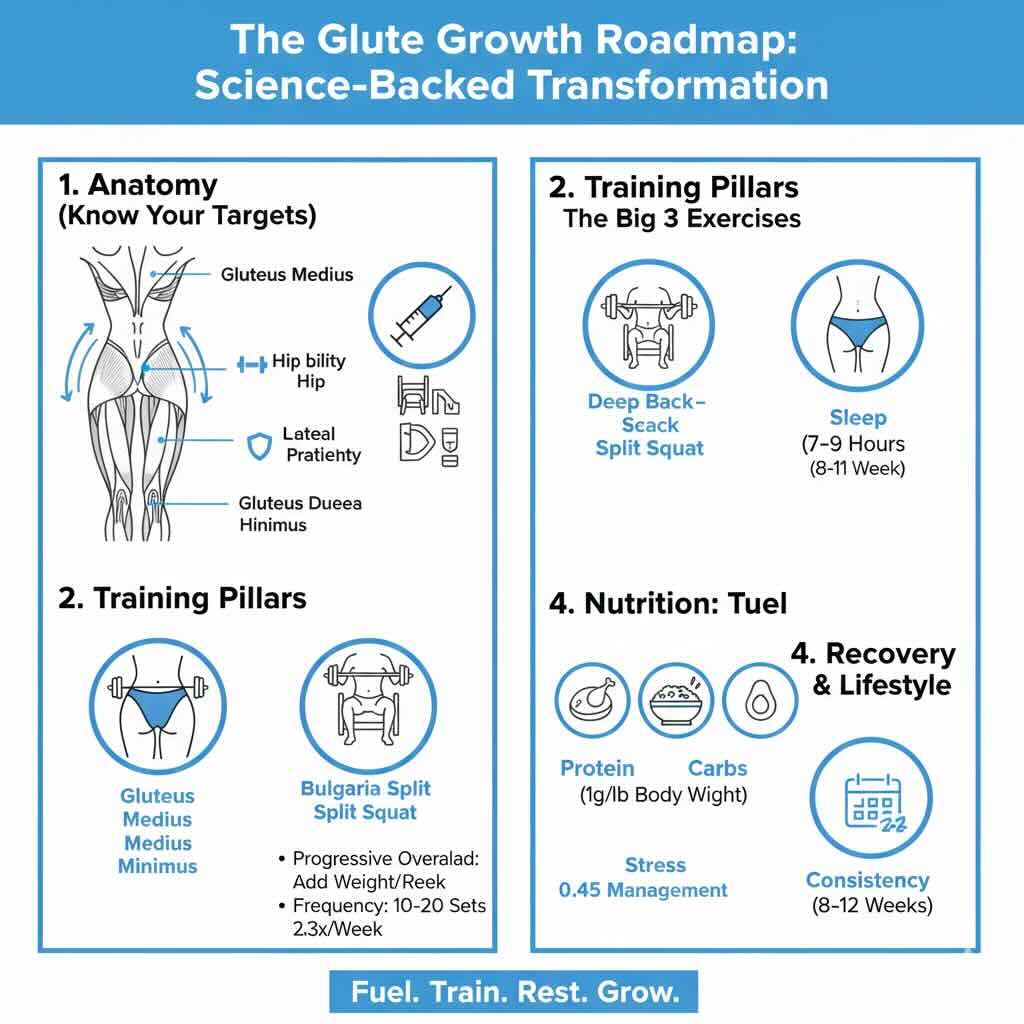
Compound exercises that engage multiple muscle groups simultaneously burn more calories and build functional core strength. Squats, deadlifts, and lunges require core stabilization while targeting the glutes and legs, building lean muscle mass that increases daily calorie expenditure both during activity and at rest. For cardiovascular health, aim for at least 150 minutes weekly of moderate-intensity aerobic activity like brisk walking, or 75 minutes of vigorous activity such as running.
Incorporate resistance training at minimum twice weekly. Evidence indicates that HIIT (high-intensity interval training) effectively targets abdominal fat reduction, as does consistent strength training when combined with proper nutrition.
Resistance Band Training: Resistance bands add variable tension that challenges core stability throughout movement ranges. Band-resisted squats force the core to maintain alignment against lateral pull forces. This constant tension requirement increases deep muscle activation compared to bodyweight exercises alone.
Posterior Hip Stretching: Tight posterior hip muscles require targeted stretching to prevent forward pelvic displacement. Begin in a tall kneeling position with hands placed on a wall at shoulder height and width. Maintain a neutral spine position.
Keep your gaze directed between your hands as you slowly walk your hands down the wall, hinging at your hips similar to a deadlift movement. Stop when you first feel a gentle stretch across the back of your glutes. Hold this position for three to four breaths, inhaling through your nose and exhaling through your mouth while relaxing into the stretch.
The Importance of Recovery
Muscle development and fat metabolism both occur primarily during recovery periods, not during the workouts themselves. Adequate rest between training sessions allows your body to rebuild tissue stronger and maintain the metabolic processes that burn stored abdominal fat. Excessive exercise without adequate recovery can be counterproductive.
Overtraining elevates cortisol levels and increases injury risk while preventing the body from effectively processing stored fat. Balance high-intensity workouts with proper rest days to allow muscles to repair and stress hormones to normalize. Varying your exercise routine helps prevent boredom and maintains engagement over time.
When motivation wanes, exercising with a friend or joining group fitness classes can provide accountability and make workouts more enjoyable, increasing long-term adherence to your fitness goals.
Nutrition Strategies to Lose Belly Fat and Target Lower Abdominal Areas
Reducing lower belly fat requires strategic nutritional choices that target both fat loss and digestive health. The right balance of whole foods, adequate protein and fiber intake, and addressing gut-related issues can significantly impact abdominal fat accumulation.
Building Your Diet and Nutrition Foundation
Whole foods form the foundation of any effective belly fat reduction plan. These unprocessed options provide essential nutrients without the added sugars, sodium, and artificial ingredients found in processed foods that contribute to fat storage and inflammation.
Protein: Protein increases the release of fullness hormones and raises metabolic rate while preserving muscle mass during weight loss. Research indicates people who consume higher protein amounts tend to have less abdominal fat than those on lower protein diets. High-quality sources include meat, fish, eggs, dairy, whey protein, and beans.
Carbohydrate Quality: Replacing refined carbohydrates with unprocessed starchy carbs improves metabolic health and reduces abdominal fat. People consuming the highest amounts of whole grains have approximately 10% less visceral abdominal fat compared to those eating primarily refined grains, even when total calorie intake is similar.
Fiber: Soluble fiber slows digestion and promotes satiety. Studies show that each 10-gram increase in soluble fiber intake decreases belly fat gain by 3.7% over five years. Rich sources include fruits and vegetables, legumes, and oats and barley.
Healthy Fats: Fatty fish provide omega-3 fatty acids that may reduce visceral fat. Research demonstrates that omega-3 supplements significantly reduce liver and abdominal fat in adults and children with fatty liver disease. Aim for 2–3 weekly servings of salmon, herring, sardines, mackerel, or anchovies.
Foods to Avoid: Trans fats should be avoided completely, as they’re linked to inflammation and abdominal fat gain. Check ingredient labels for partially hydrogenated fats. Limiting added sugars is essential, as high sugar intake directly correlates with increased abdominal fat.
Portion Control and Beverage Choices
Even nutritious foods contribute to fat storage when consumed excessively. Practice portion awareness by reducing serving sizes at home and sharing restaurant meals or saving half for later. Replace caloric beverages with water or unsweetened alternatives to eliminate hidden calories that accumulate throughout the day.
Managing Digestive Health
Food intolerances and digestive issues can create the appearance of a lower belly pooch through bloating and inflammation. Identifying trigger foods helps reduce abdominal distension. Probiotics play a crucial role in gut health and weight regulation.
Different bacterial strains influence weight management, with certain Lactobacillus family members showing promise for belly fat reduction. Natural probiotic sources include yogurt, kefir, sauerkraut, and kimchi. However, probiotic supplements aren’t FDA-regulated, so consulting a healthcare professional before adding them to a routine is important.
Limiting foods that cause gas and bloating helps flatten the lower abdomen. Common culprits include carbonated beverages, excessive sodium, and certain vegetables for sensitive individuals. Eat less than 2,000 milligrams of sodium daily to help minimize fluid retention and reduce abdominal swelling.
Hydration and Mindful Eating Practices
Maintain consistent water intake throughout the day rather than waiting until thirst signals appear. Even mild dehydration reduces your body’s ability to metabolize stored fat efficiently and can decrease exercise performance, ultimately slowing your progress toward a flatter midsection. Eating while distracted prevents recognition of fullness signals, which can take up to twenty minutes to reach the brain.
Focus on your meals without screens or multitasking to naturally reduce portion sizes and improve digestion. Slow down, chew thoroughly, and stop when you feel comfortably satisfied rather than completely full. Time your meals strategically around workouts for optimal energy and digestion.
Consume a light snack combining carbohydrates and protein—such as a banana with nut butter—about 30–60 minutes before exercise. After training, prioritize lean protein with vegetables within two hours to support muscle recovery without digestive discomfort. When selecting packaged foods, compare nutrition labels across different brands of the same product.
Items marketed as low-fat alternatives sometimes contain higher amounts of carbohydrates and added sugars than their regular counterparts. Condiments and dressings frequently pack unexpected calories and fat content that accumulate throughout meals.
Setting Realistic Expectations
Successful lower belly fat reduction requires patience and sustainable habits. Monitor progress through clothing fit rather than relying exclusively on scale readings. As you build muscle while losing fat, body weight may remain stable even as your physique improves.
Looser-fitting pants provide a more accurate indicator of abdominal changes than numerical weight fluctuations. Changes in facial appearance, arm definition, and energy levels often occur before lower belly changes become apparent—recognize these improvements as markers of progress. Aim for gradual, steady weight loss rather than rapid results.
Weight reduction recommendations suggest targeting no more than two pounds weekly for sustainable results. Establishing new habits requires significant time—research suggests up to twelve weeks for lifestyle changes to become established routines. Expect to commit at least eight weeks before noticing meaningful changes in your lower abdomen.
Achieving visible abdominal definition depends significantly on reducing overall body fat to very low levels. Many individuals with strong core muscles may not display prominent definition simply because a healthy layer of subcutaneous fat remains present. This is completely normal and doesn’t reflect lack of strength or fitness.
Work with your healthcare provider to establish realistic goals and maintain accountability throughout your journey. Creating a supportive social environment strengthens adherence to healthy habits. Studies indicate individuals are more likely to maintain consistent exercise and nutritious eating patterns when friends and family members engage in similar behaviors.
Lifestyle Factors That Impact Lower Belly Fat
Chronic stress, poor sleep, and hormonal imbalances create conditions that favor lower belly fat storage through pathways involving cortisol, insulin resistance, and metabolism. Addressing these lifestyle factors provides measurable support for reducing the lower belly pooch.
Managing Stress Effectively
Chronic stress elevates cortisol levels, which influences where the body stores fat. Elevated cortisol is associated with increased visceral fat accumulation in the abdominal region. When stress remains unmanaged over weeks and months, the body maintains higher baseline cortisol.
This hormonal state favors central fat storage and can interfere with insulin sensitivity. Evidence-supported mind-body practices include daily mindfulness meditation sessions of 10–20 minutes, yoga practice two to three times weekly with emphasis on breath coordination, body scan exercises to improve awareness of tension patterns, and mindful eating practices that slow consumption and improve satiety recognition.
Optimizing Sleep Quality
Sleep quality directly affects hormones that regulate appetite, metabolism, and fat storage. Short sleep duration is linked to insulin resistance, altered leptin and ghrelin signaling, and increased cortisol. Adults who consistently sleep fewer than seven hours per night show higher rates of central obesity compared to those who maintain seven to nine hours.
Sleep deprivation disrupts hunger-regulating hormones, specifically increasing ghrelin (which stimulates appetite) while decreasing leptin (which signals fullness). This hormonal imbalance leads to increased food consumption the following day with reduced satisfaction from meals, making calorie management significantly more challenging. Hormonal imbalances during menopause compound sleep challenges.
Declining estrogen levels affect both sleep architecture and body composition, often leading to increased abdominal fat even without changes in calorie intake. Sleep hygiene practices that support hormonal balance include consistent sleep and wake times seven days per week, limiting screen exposure 60–90 minutes before bed, maintaining a cool, dark bedroom environment, avoiding alcohol and large meals within three hours of sleep, and morning light exposure to regulate circadian rhythm.
Mind-Body Practices
Mindfulness practices and meditation reduce stress markers and improve eating behaviors that contribute to abdominal fat. Studies show regular meditation can lower cortisol levels and improve stress resilience. Mindfulness-based interventions help individuals recognize emotional eating patterns and respond to hunger cues more accurately.
Yoga combines movement, breath work, and mindfulness in a format that addresses multiple contributors to the lower belly pooch. Regular yoga practice has been associated with reduced cortisol, improved insulin sensitivity, and better stress management.
Lifestyle Habits to Address
Inadequate sleep, high alcohol consumption, and sedentary behavior promote lower belly fat retention through metabolic and hormonal pathways. Alcohol consumption particularly impacts abdominal fat because the liver prioritizes metabolizing alcohol over burning fat. This metabolic shift, combined with alcohol’s tendency to increase appetite and lower inhibitions around food choices, creates conditions favorable for belly fat accumulation.
Carbonated drinks, including beer and sparkling beverages, may contribute to temporary abdominal distension through gas accumulation in the digestive tract, creating the appearance of a larger lower belly.
When Lifestyle Changes Reach Their Limits
Standard weight loss approaches target overall body fat but cannot address structural issues in the abdomen. Exercise strengthens muscles but cannot repair separated abdominal muscles or remove excess stretched skin. A person may achieve significant fat loss throughout their body while the lower belly pooch remains unchanged.
Hormonal belly pooch triggered by menopause or thyroid conditions often resists dietary interventions and increased activity. Post-pregnancy changes involving diastasis recti worsen with certain abdominal exercises, making traditional core work counterproductive. Skin laxity represents a purely structural problem that no amount of exercise can correct.
Once skin has stretched beyond its elastic capacity, it lacks the ability to retract on its own.
Temporary Solutions
For occasions when immediate appearance improvement is needed, compression garments provide a temporary visual solution. These undergarments work by applying gentle pressure to smooth the abdominal contour beneath clothing. Select garments that fit comfortably without restricting breathing or circulation.
This approach works best as an occasional confidence tool rather than a daily dependency.
Advanced Body Contouring Solutions
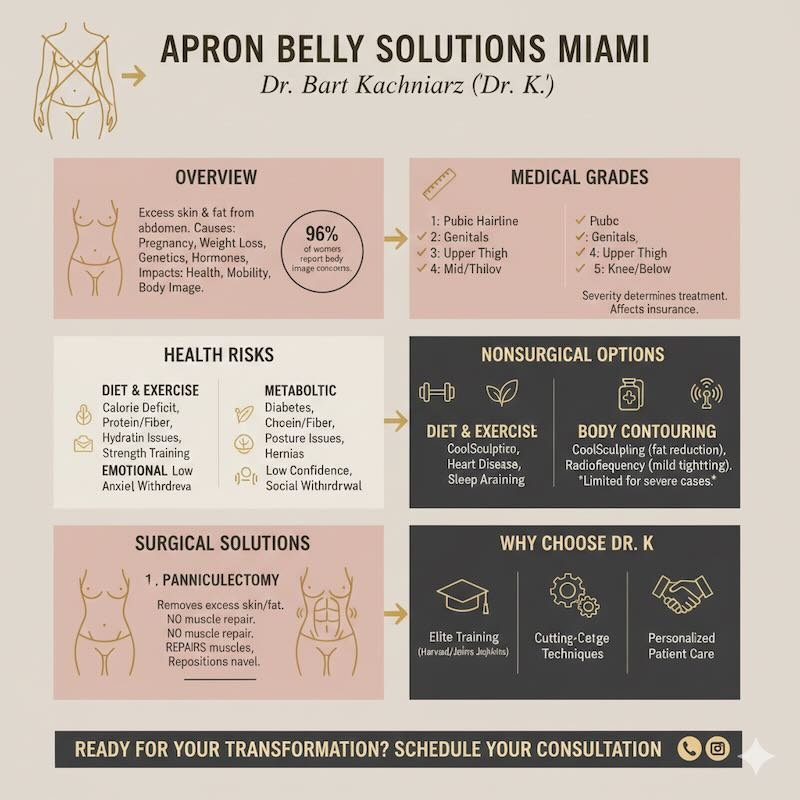
For persistent lower belly concerns that resist comprehensive lifestyle interventions, advanced treatment options address specific structural problems that diet and exercise cannot fix. Dr. Bart Kachniarz (Dr. K Miami), a Harvard and Johns Hopkins-trained plastic surgeon, specializes in addressing persistent lower belly concerns through advanced techniques when lifestyle interventions reach their limits.
Non-Surgical Body Contouring
For individuals close to their target weight with good overall fitness, non-surgical technologies offer intermediate solutions before considering surgery. These FDA-cleared treatments target specific aspects of lower belly concerns through different mechanisms. Ideal candidates for non-surgical body contouring maintain relatively good overall fitness with body mass index near healthy ranges.
Medical conditions affecting circulation, cold sensitivity, or implanted electronic devices may preclude certain treatments.
Electromagnetic Muscle Stimulation: This technology uses high-intensity focused electromagnetic energy to trigger intense muscle contractions beyond what voluntary exercise achieves. A single treatment session induces thousands of supramaximal contractions, strengthening abdominal muscles while simultaneously promoting fat metabolism in the treated area. This technology proves particularly effective for postpartum women addressing abdominal muscle separation.
Treatment protocols typically involve sessions completed over several weeks with no downtime required.
Cryolipolysis (Fat Freezing): This approach applies controlled cooling to freeze stubborn fat cells without damaging surrounding tissues. The body naturally eliminates these crystallized fat cells over subsequent months, with results becoming visible within weeks and continuing to improve. This specifically targets subcutaneous fat deposits resistant to diet and exercise, though it does not address muscle weakness or provide skin tightening benefits.
Radiofrequency Skin Tightening: This treatment delivers controlled heat energy to stimulate collagen production and tissue contraction in loose abdominal skin. This non-invasive approach helps firm and smooth skin texture without surgery, making it particularly valuable for individuals who have experienced recent weight loss or childbirth. Body contouring treatments, whether surgical or non-surgical, deliver optimal outcomes when combined with sustained healthy habits.
These interventions enhance existing efforts rather than replace fundamental lifestyle practices.
Surgical Options
Plastic surgery offers targeted solutions for persistent lower belly concerns that resist diet and exercise. These procedures address excess skin, stubborn fat deposits, and weakened abdominal muscles through surgical body contouring techniques. Candidates should reach a stable weight close to their goal before pursuing surgical body contouring.
Significant weight fluctuations after these procedures can compromise results and require revision surgery.
Tummy Tuck (Abdominoplasty): A tummy tuck removes excess skin and fat from the abdomen while tightening stretched abdominal muscles. The procedure is particularly effective for patients who have experienced significant weight loss or pregnancy, which often causes muscle separation and skin laxity. At Dr. K Miami Plastic Surgery, tummy tucks are performed with precision and an artistic approach, focusing on natural-looking results tailored to each patient’s unique anatomy and goals.
During abdominoplasty, the surgeon makes an incision along the lower abdomen, typically positioned to remain hidden beneath underwear or swimwear. Through this incision, excess skin is removed and the abdominal wall muscles are repaired and tightened. The remaining skin is then pulled taut and repositioned.
The procedure addresses multiple concerns simultaneously, including stretch marks in the lower abdomen, loose skin, and muscle weakness. Patients typically need 4–6 weeks for initial recovery, though full healing takes several months.
Mini Tummy Tuck vs. Full Tummy Tuck: A mini tummy tuck focuses exclusively on the lower abdomen below the belly button. The procedure involves a shorter incision and removes less excess skin compared to a full tummy tuck. It’s ideal for patients with mild to moderate skin laxity confined to the lower abdominal area.
Mini tummy tuck typically requires 1–2 weeks of recovery and leaves a smaller, more discreet scar. Full abdominoplasty addresses the entire abdominal region from the ribcage to the pubic area. The surgeon repositions the belly button and can tighten muscles throughout the entire abdominal wall.
This comprehensive approach suits patients with significant skin excess or muscle separation extending above the navel. Full tummy tuck involves 4–6 weeks of recovery and produces more dramatic transformation. Patients must not be planning future pregnancies for either procedure, as pregnancy can compromise surgical results.
Liposuction Techniques: Liposuction removes localized fat deposits that don’t respond to diet or exercise. This body contouring procedure works best for patients with good skin elasticity and relatively firm abdominal muscles who struggle with isolated pockets of excess fat. The surgeon inserts a thin tube called a cannula through small incisions to suction out fat cells.
Modern techniques include tumescent liposuction, which uses a solution to minimize bleeding, and laser-assisted methods that can help tighten skin. Recovery from liposuction is generally faster than abdominoplasty, with most patients returning to normal activities within 1–2 weeks. Key limitations include that liposuction does not address excess skin, cannot repair separated abdominal muscles, requires adequate skin elasticity for optimal results, and is best suited for patients near their ideal weight.
Dr. K evaluates each patient individually during a free consultation to determine the most appropriate approach.
Ready to Address Your Lower Belly Pooch?
If you’ve tried diet and exercise without achieving the results you desire, it may be time to explore advanced solutions. Dr. Bart Kachniarz offers free consultations at his boutique Miami practice to evaluate your unique situation and discuss personalized treatment options.
source https://drkmiamiplasticsurgery.com/how-to-get-rid-of-lower-belly-pooch-solutions